
The Diary Becomes a Book
Diary of Anne FrankThis flow follows Anne Frank’s changing purpose in writing, from private confidence to a deliberate literary project, and its postwar publication.
increasing Bearing strength in each event
 decreasing
Bearing strength in each eventdecreasingA Birthday Gift
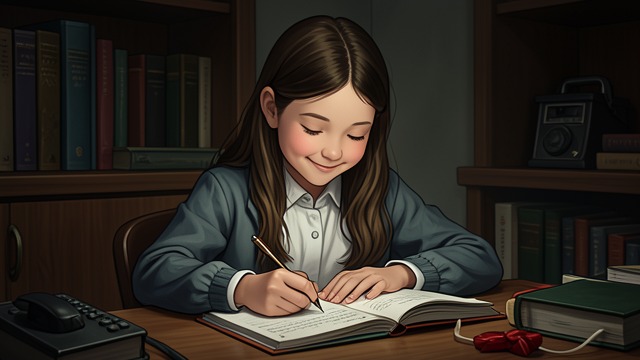
A Private Notebook
First confidence
Anne Frank received a diary for her thirteenth birthday and began addressing it as a trusted companion. She called that imagined friend Kitty and hoped to confide thoughts she shared with no one else.
A form of connection
Writing gave Anne a listener without interruption or judgment. The diary began not as a public record but as an intimate response to loneliness.
A Hidden-Life Record
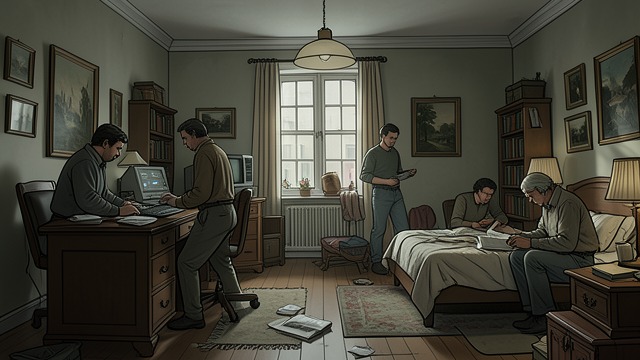
Writing from Confinement
A new subject
After the family entered hiding, Anne used the diary to describe the rooms, routines, fears, and personalities of the Annex. Small domestic details preserved the texture of an extraordinary situation.
Observation as survival
The notebook let her interpret the new household and its pressures. Recording events helped turn confinement into material she could examine rather than merely endure.
A Public Possibility
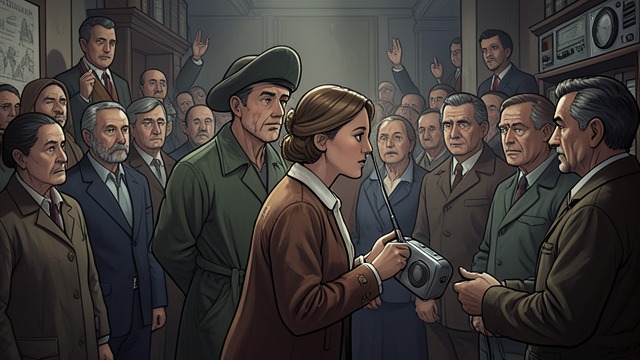
History in the Making
A radio appeal
Anne heard that the Dutch government in exile hoped to collect wartime letters and diaries after liberation. The broadcast made her imagine that private testimony could become public history.
A changed ambition
She began to think seriously about revising and publishing her writing. The diary’s audience shifted in her imagination from Kitty alone toward future readers seeking to understand life under occupation.
Revision and Ambition
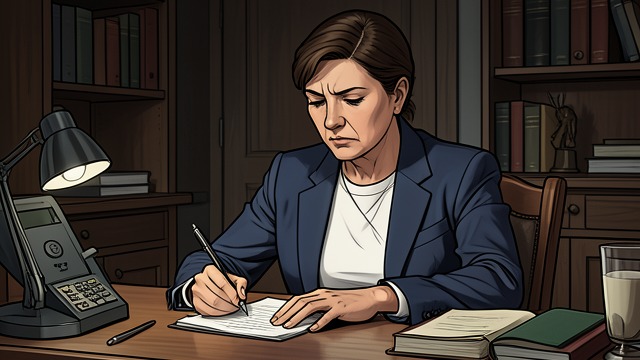
The Writer at Work
Craft and purpose
Anne revised diary passages and developed stories, while considering a book about life in the Annex. She increasingly described writing as a vocation, not simply a private pastime.
A future beyond confinement
She hoped to become a journalist or writer and to remain useful after her death through her words. That ambition gave her work a future-facing purpose even as the danger around her intensified.
Publication After Loss

A Father’s Editorial Choice
The manuscripts survive
After the arrest, helpers preserved Anne’s papers. When Otto Frank learned that his family had not survived, he received the diaries and began considering how to honor Anne’s wish to publish.
From manuscript to readership
Otto selected and edited material for publication. Later editions restored additional passages, allowing readers to encounter more of Anne’s candor, literary ambition, and emotional complexity.
June 12–14, 1942
July 1942
March 29, 1944
Spring and summer 1944
After the war, beginning in 1945
